





| Plaats van herkomst: | China |
|---|---|
| Merknaam: | FANRYN |
| Certificering: | CE |
| Modelnummer: | DEKEN |
| Min. bestelaantal: | één 40HQ |
| Verpakking Details: | plastic zak |
| Levertijd: | 10 werkdagen |
| Betalingscondities: | T/T |
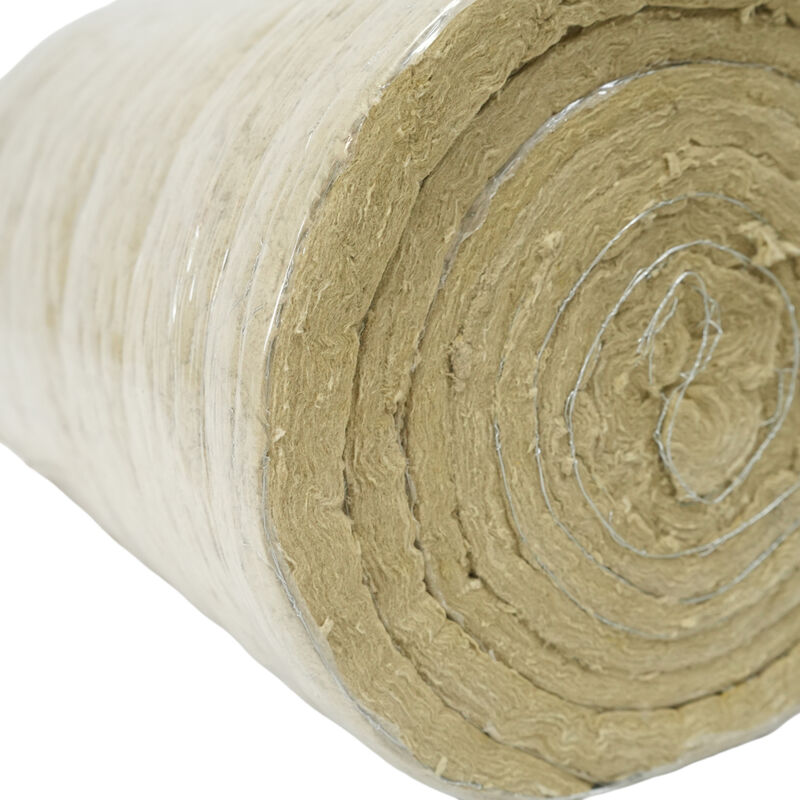
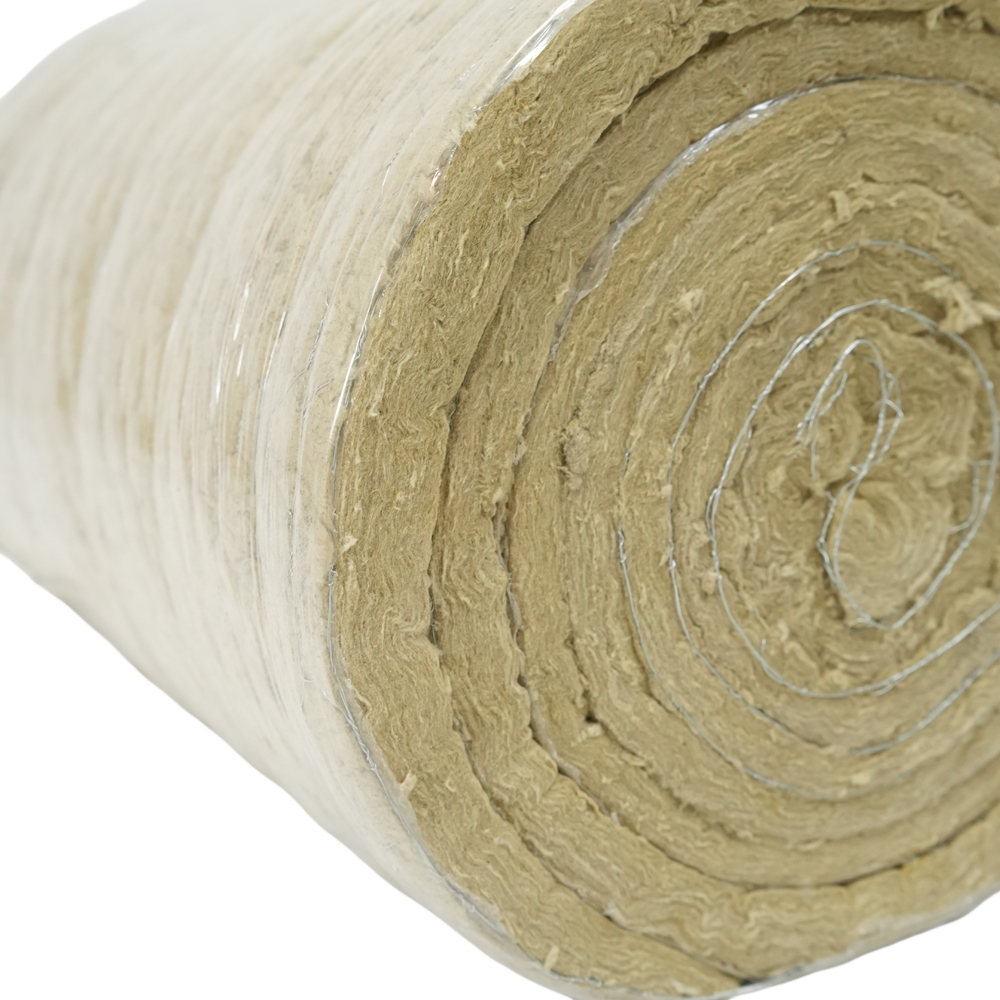
| Kleur: | Typisch bruin of geelachtig | Materiaal: | Minerale wol |
|---|---|---|---|
| Brandwerendheid: | Niet-brandbaar, klasse A1 | Wateropname: | <1% |
| Temperatuurbestendigheid: | -268°C tot 700°C | Dikte: | 25-100mm |
| Thermische geleidbaarheid: | 0,035 W/m·K | Installatiemethode: | Mechanische bevestiging of lijmverbinding |
| Dikte: | 40-200 kg/m³ | Geluidsabsorptiecoëfficiënt: | 0,85 |
| Toepassingen: | Isolatie van gebouwen, HVAC-systemen, industriële apparatuur | Milieu-impact: | Recyclebaar en milieuvriendelijk |
| Afmetingen: | Aanpasbaar (bijv. 600x1200 mm) | Compressie sterkte: | ≥10 kPa |
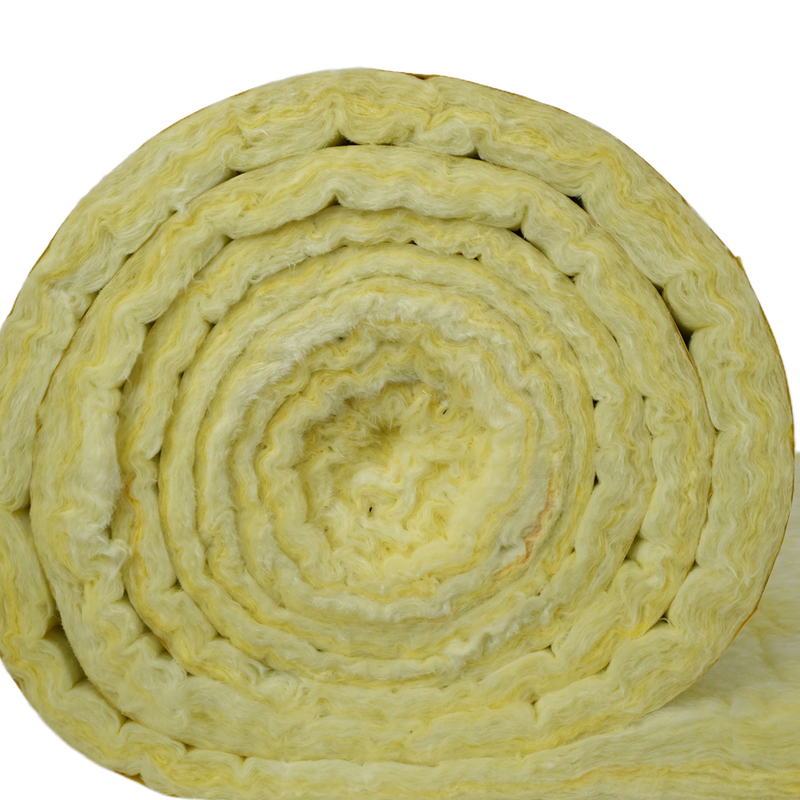
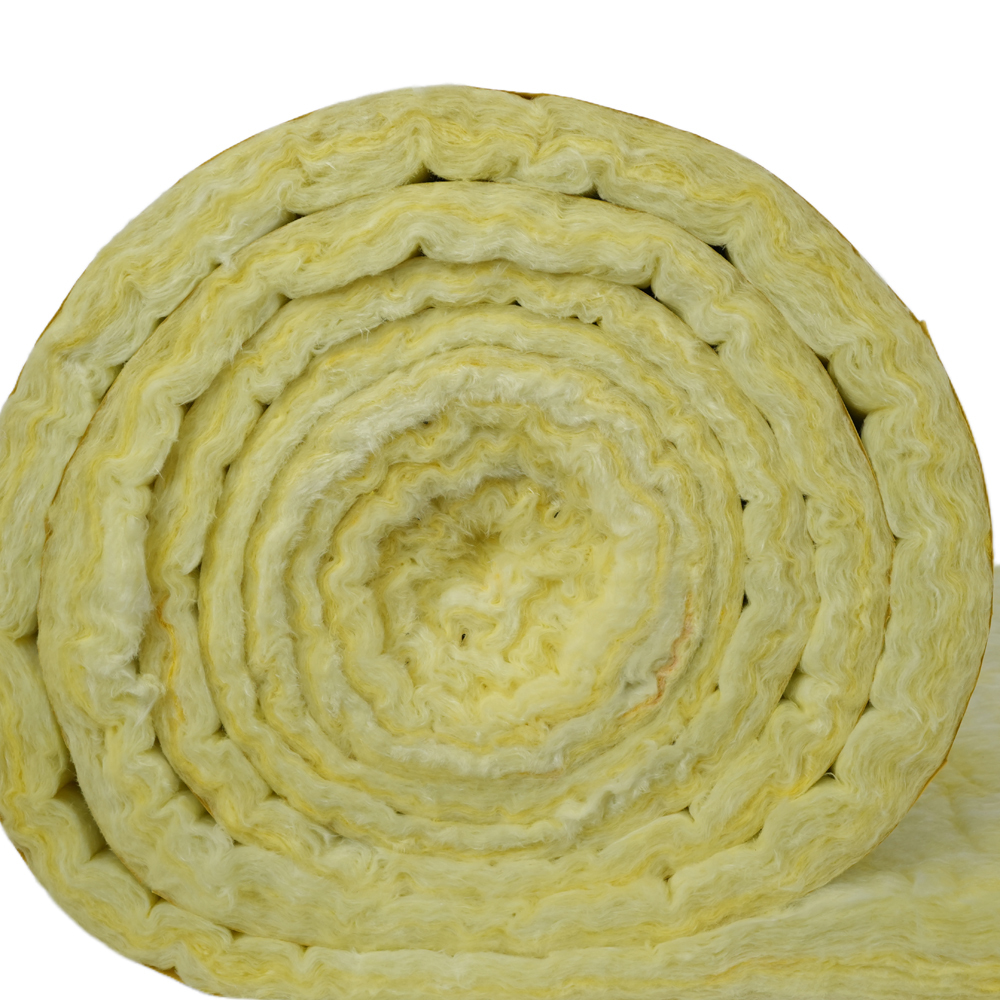
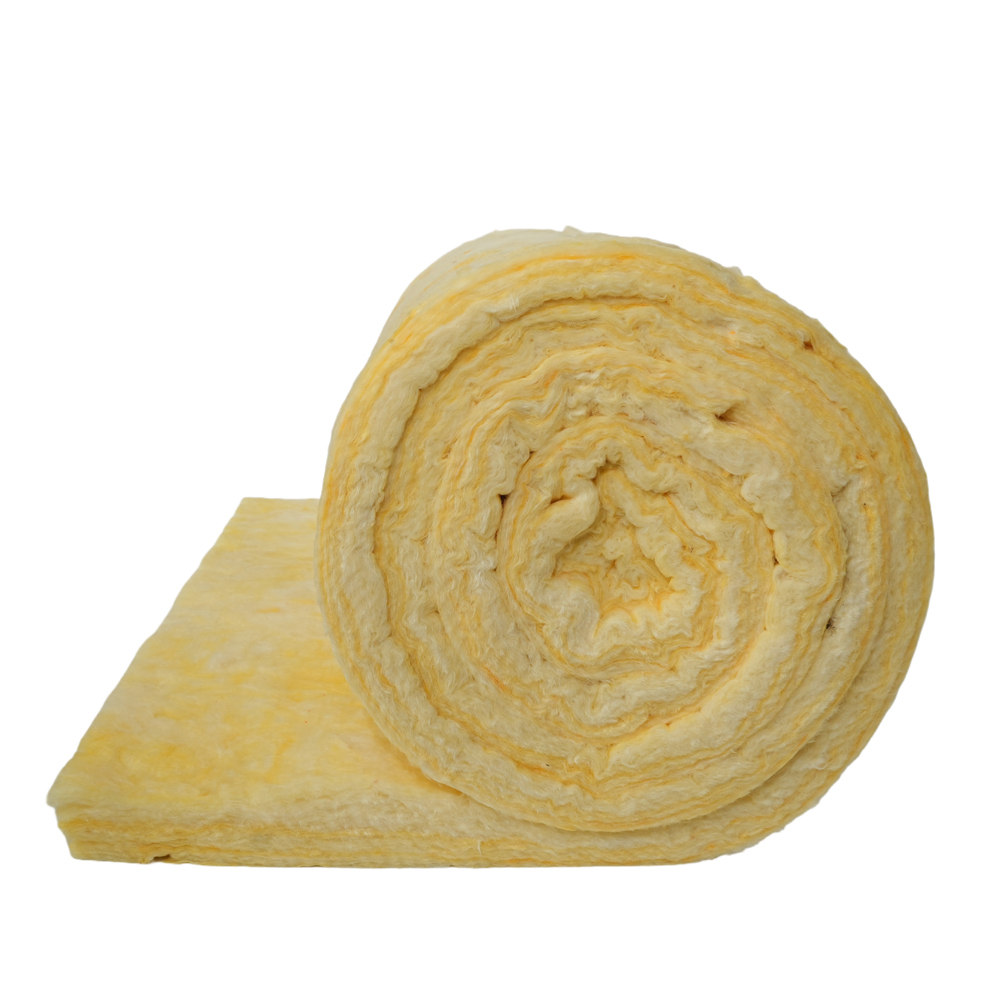
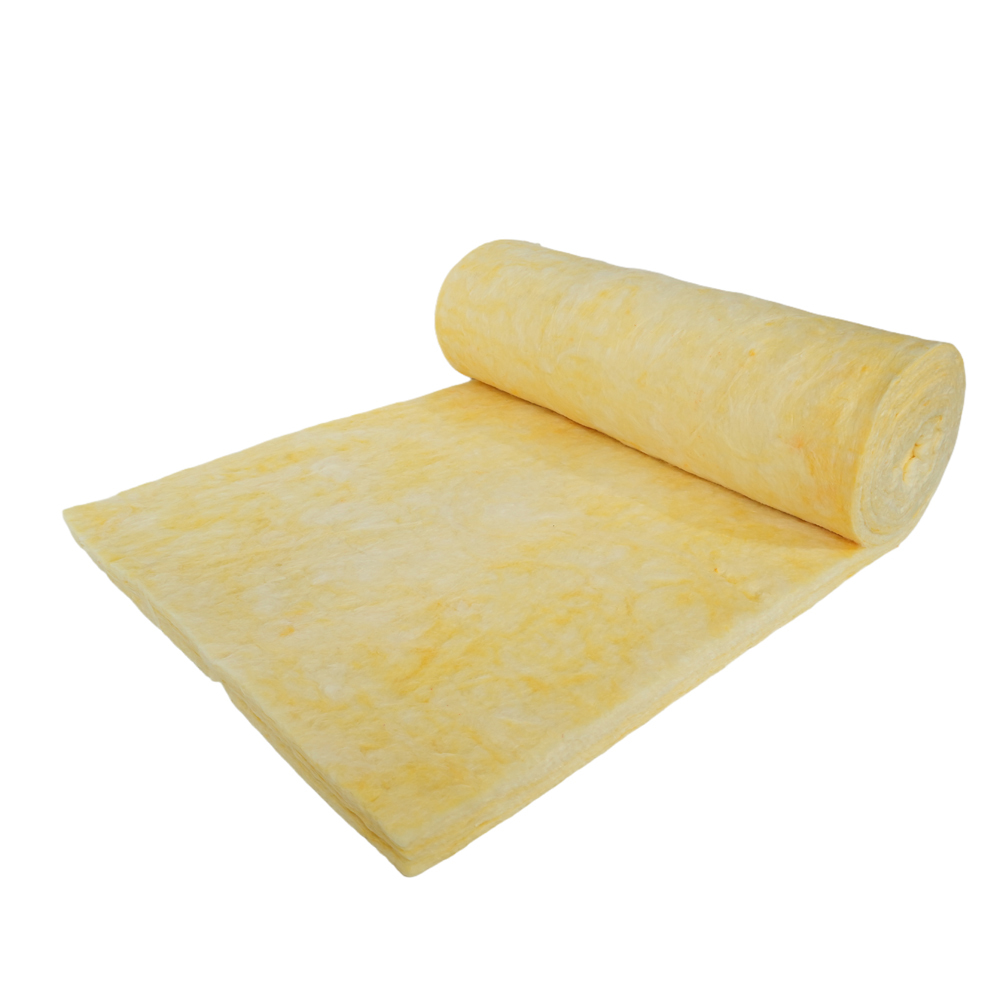
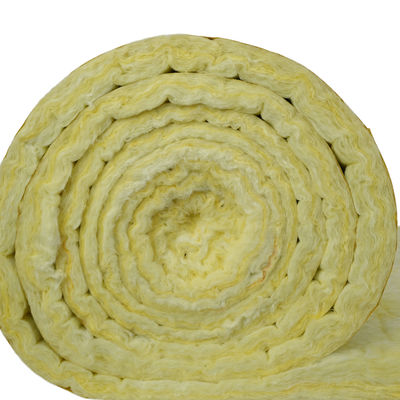
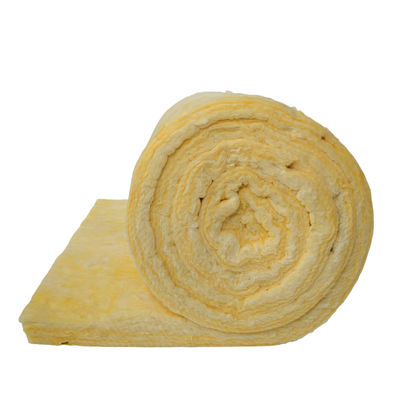
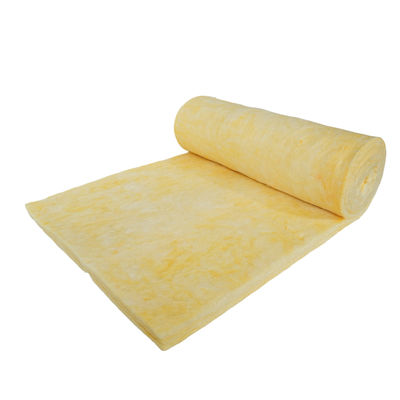
Glass wool is an inorganic fibrous insulation material manufactured from high-quality quartz sand, limestone, soda ash, and recycled glass. The raw materials are melted at high temperature (above 1200°C) and then spun into fine, long fibers using a centrifugal or flame attenuation process.
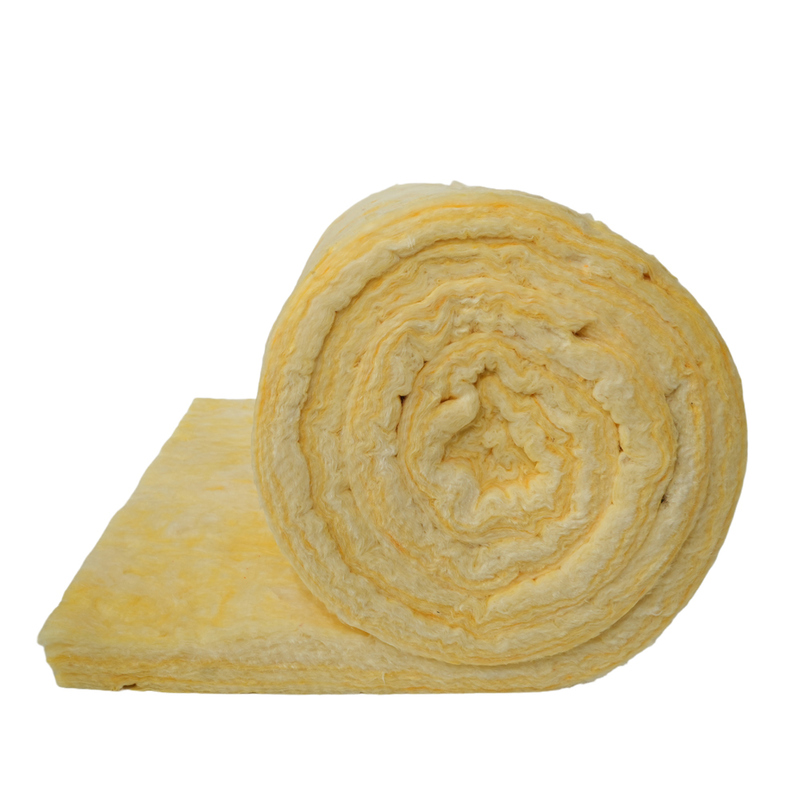
Unlike rigid insulation boards, glass wool remains soft, resilient, and highly flexible. It can be rolled, compressed, and shaped to fit curved roofs, irregular ducts, and tight cavities — making it one of the most versatile Class A non-combustible insulation materials on the market.
| Feature | Benefit |
|---|---|
| Lightweight & Flexible | Rolls up for easy transport and installation; fits curved or irregular surfaces; installation efficiency up to 40% higher than rigid boards |
| Thermal Efficiency | Low thermal conductivity (λ = 0.032–0.040 W/(m·K)); reduces building energy consumption significantly |
| Acoustic Performance | Millions of microscopic air pockets absorb sound waves; NRC up to 0.95 for mid-high frequency noise |
| Class A Non-Combustible | Meets strict fire safety codes for commercial, industrial, and residential buildings |
| Wide Temperature Range | Operating temperature from -50°C up to +260°C; suitable for most industrial and HVAC applications |
| Cost-Effective | Lower material cost than stone wool or elastomeric foam in medium-low temperature scenarios |
| Parameter | Typical Value Range | Unit | Notes |
|---|---|---|---|
| Density | 10 – 80 | kg/m³ | 10-32 kg/m³: steel structures, roofs, suspended ceilings; 48-80 kg/m³: ducts, acoustic panels |
| Thermal Conductivity (λ) | 0.032 – 0.040 | W/(m·K) | Tested at mean temperature 25±5°C |
| Fire Rating | Class A (Non-combustible) | - | Complies with GB 8624, ASTM E84, EN 13501-1 |
| Maximum Service Temperature | ≤ 260 | °C | Long-term continuous operation |
| Melting Point | Approx. 500 | °C | Fiber structure begins to collapse beyond this temperature |
| Sound Absorption Coefficient (NRC) | 0.70 – 0.95 | - | Higher density and thickness = better absorption |
| Mean Fiber Diameter | 5 – 8 | μm | Finer fibers = better resilience and lower thermal conductivity |
| Shot Content | ≤ 0.3 | % | Lower shot content means better flexibility and less irritation |
| Thickness | 25 – 200 | mm | Custom sizes available |
| Width | 600 / 1200 | mm | Standard widths; can be cut on site |
| Length (Roll Form) | 3 – 20 | m | Custom lengths available |
| Facing Options | Aluminum foil / Black tissue / Fiberglass cloth | - | Choose based on moisture control or aesthetic requirements |
| Water Repellency | Optional (hydrophobic treatment available) | - | Recommended for high-humidity environments |
Why glass wool? Lightweight (10-20 kg/m³), flexible rolls conform to steel purlins and curved roof profiles. One worker can handle and install a full roll.
Key installation points: Place aluminum foil facing toward the warm side (indoors in winter, outdoors in summer). Overlap joints by minimum 100 mm and seal with aluminum foil tape.
Value delivered: Reduces summer cooling energy consumption by over 30%; minimizes winter heat loss.
Why glass wool? Flexible material wraps around round or rectangular ducts. The porous structure allows moisture vapor to escape, preventing condensation and mold growth inside duct walls.
Key installation points: Wrap ducts completely; seal all longitudinal and transverse joints, especially at flanges and hangers. Use aluminum foil facing as a vapor barrier.
Value delivered: Minimizes thermal loss in supply air; prevents surface condensation and dripping.
Why glass wool? Excellent sound absorption (NRC ≥ 0.85) when installed inside lightweight steel frame cavities. Reduces noise transmission between rooms and floors.
Key installation points: Use density 48-64 kg/m³. Fill at least 80% of the cavity volume. Leave a small air gap (10-20 mm) between glass wool and the back of the facing board for better acoustic performance.
Value delivered: Meets building code requirements for sound transmission class (STC); improves speech privacy and occupant comfort.